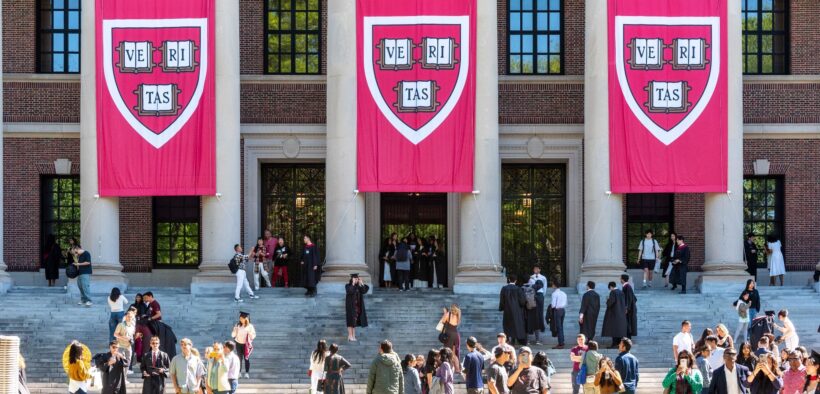
As I write, the faculty at Harvard have just voted to limit the number of A grades they award in any undergraduate course to a maximum of 20 percent of class enrollment in an effort to combat grade inflation (McMurtrie, 2026). This policy is an arbitrary solution to a real problem. My father liked to tell a story about his first year in the chemical engineering program at the University of Texas. He registered for a physics class intended for high-achieving students. On the first exam, the lowest score was 93 out of 100. Would it make any sense to award As only to the top 20 percent? Clearly not; everyone did well and showed mastery of the material. Differences in scores probably reflected random differences in conscientiousness, silly mistakes, and who wasn’t feeling their best that day. The purpose of setting a limit on the number of A grades is to differentiate among students, but that assumes reliability and validity in grading. For reliability, the same students should score consistently in the top 20 percent on each exam. Validity means that the differences in grades reflect real differences in learning and understanding. The grade limit becomes meaningless if random nonacademic factors dictate who scores at the top and there aren’t meaningful differences in mastery among grades.