Keep Calm and Read Satire
I’ll probably never stream Netflix’s The Chair or read Julie Schumacher’s Dear Committee Members trilogy, even though colleagues have been recommending them to me for

I’ll probably never stream Netflix’s The Chair or read Julie Schumacher’s Dear Committee Members trilogy, even though colleagues have been recommending them to me for

My classroom bloopers reel features tripping over backpacks, dropping stacks of handouts, and realizing midway through class that a price tag was still dangling from

Our students do not need yet another reverent speech about literature’s profound importance, especially from English professors like me. They need examples, models of what

Do a little recon when courses begin next semester. Is there an empty classroom nearby? That vacant space is pure pedagogical potential, and it’s a

“Let’s pretend,” I said, pointing toward the back row, “that Macbeth’s enemy is way across the battlefield, back by Jon.” I moved down the aisle,


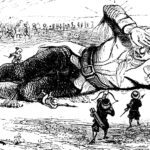
“I spent hours on the Gulliver’s Travels reading—yes, hours—and I still didn’t get through the Lilliput section!” my student, Sarah, bemoaned after class one morning.

When I talk with my students about navigating difficult conversations, I don’t begin with a slide deck or a list of ground rules. I begin

“Focus on what you can control” is hardly groundbreaking advice. Yet when I read David Gooblar’s version of it this August in One Classroom at

Not one. Not two. Eleven. That’s how many times my fellow panelists and I touted our university’s low faculty–student ratios during a recent session for